Modelling Railway Stations: Buildings, Platforms, and Period Details
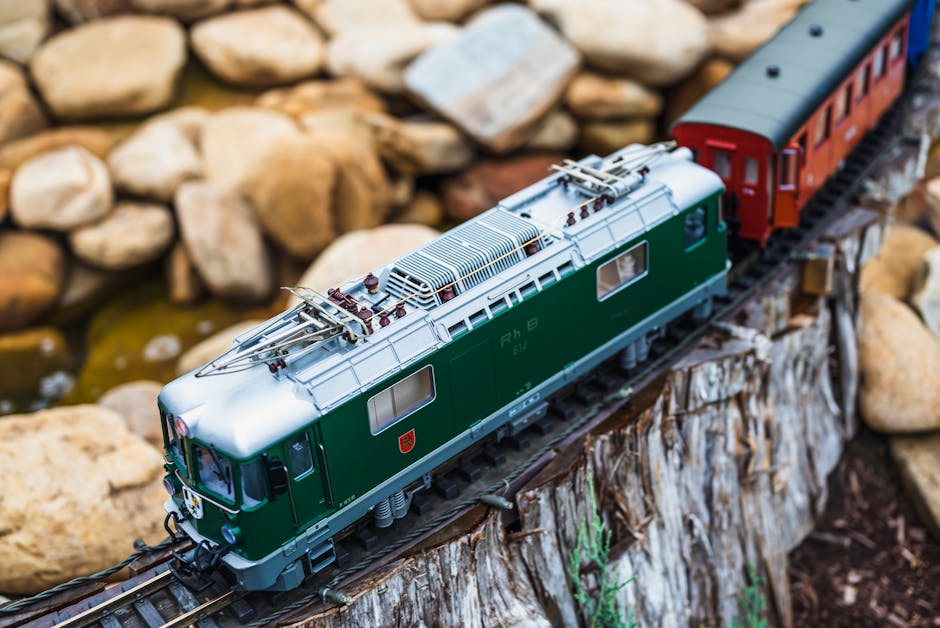
A railway station is the heart of many model layouts, serving as a focal point that immediately tells viewers which era and location you're representing. Building convincing stations requires attention to historical detail, careful construction, and thoughtful placement of supporting elements.
Choosing Your Prototype is the first step. Research actual stations from your chosen era and region. UK stations from the Victorian era look completely different from 1950s modernist stations, which differ again from contemporary structures. Visit local heritage railway sites or study historical photographs. This research pays dividends in authenticity and helps you understand what details matter. A station from the Great Western Railway era has distinctive architectural features that immediately signal its identity to knowledgeable viewers.
Building Materials and Kits offer various options. Plastic kits from manufacturers like Hornby and Bachmann provide excellent starting points, with pre-moulded components that assemble relatively quickly. Resin kits offer greater detail but require more construction skill. For experienced modellers, scratch-building from brick sheet, timber, and card allows complete customisation. Many modellers combine approaches—using a kit as a base, then heavily modifying it with additional details.
Platforms and Trackwork must be historically accurate. Victorian stations had different platform heights than modern ones. Research the specific station you're modelling. Platforms should show wear—paint fades and cracks, especially near the platform edge where passengers step. Add platform furniture like benches, lamp posts, and signs. These small details dramatically increase realism. Weathered paint and rust on metal elements suggest age and use.
Station Buildings and Structures extend beyond the main building. Include waiting shelters, signal boxes, goods sheds, and other period-appropriate structures. The arrangement and relationship between these buildings should match your prototype. Study photographs carefully—the position of a signal box relative to the platform tells a story about how the station functioned.
Interior Lighting transforms station buildings dramatically. LED lights installed inside platforms and buildings create warmth and atmosphere, particularly impressive in evening operation. Warm-white LEDs suit older stations, whilst cooler whites work for modern ones. Hide wiring carefully behind scenery.
Figures and Activity bring stations to life. Position passengers on platforms, staff at the booking office, and workers in the goods yard. Vary figure poses and clothing appropriately for your chosen era. Even just 3-4 figures strategically placed create a sense of activity and period authenticity.
Signalling and Telegraph Poles are crucial details often overlooked. Correct signal types for your era are essential—pre-1920 lower quadrant signals look completely different from post-1920 upper quadrant types. Telegraph and telephone poles with appropriate cross-arms and insulators add authenticity. These elements should follow your prototype's actual layout.
Building a convincing station takes time, but the result becomes the showpiece of your layout. Visitors will be drawn to a well-realised station scene, and the authentic details reward close inspection. Start with a good kit, research thoroughly, and gradually add details as your skills develop.